Longhorn Skull Embroidery Review
As a designer who spends more time staring at stitch charts and fabric swatches than I care to admit, I have learned that the difference between a good handmade product and a great one often comes down to the design itself. It is not just about whether the machine can read the file; it is about how the design translates from a digital vector into a tactile, three-dimensional object on fabric. Today, I am evaluating Longhorn Skull Cow Skull Graphic, a digital asset that promises a rugged, Western aesthetic. This review looks past the marketing keywords to assess its practical viability for embroidery designers, small business owners, and crafters looking to create high-quality finished products.
First Impressions: Mood and Visual Personality
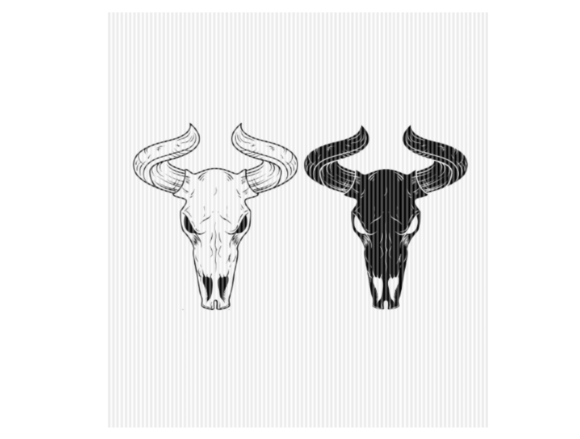
The immediate visual impact of Longhorn Skull Cow Skull Graphic is one of bold, unapologetic Americana. The silhouette is instantly recognizable, evoking themes of the American West, rodeo culture, and rustic elegance. For an embroidery project, this kind of strong graphic identity is valuable because it communicates a clear mood before the viewer even touches the item. Whether you are creating a custom apparel piece or a boutique home decor item, the design carries a specific weight and presence.
From a design perspective, the layout appears balanced and symmetrical, which is crucial for embroidery. Asymmetry can sometimes lead to stitching errors or tension issues if not carefully planned, but a central focal point like a skull allows the eye to rest while providing a sturdy anchor for the surrounding elements. The "Desert" and "Cowboy" vibes suggested by the title imply that this design pairs well with earthy tones, denim, and natural fibers. It feels less like a trendy gimmick and more like a timeless staple for anyone in the craft business catering to rural, outdoor, or vintage-inspired markets.
Real-World Application: Where Does This Design Shine?
In my experience, certain designs scream for specific applications. Longhorn Skull Cow Skull Graphic naturally gravitates toward items that benefit from a rugged, durable aesthetic. Let us look at a few scenarios where this design would perform exceptionally well.
- Sweatshirt Embroidery: Heavy cotton fleece provides the perfect stability for a detailed skull design. The thickness of the fabric supports the thread without puckering, allowing the satin stitch details around the horns and eye sockets to pop. This is ideal for creating personalized gift items for birthdays or holidays.
- Tote Bag Design: Canvas tote bags are a staple for Etsy sellers. A longhorn skull centered on a canvas bag offers a chic, artistic look that appeals to both men and women. It transforms a simple utility item into a statement piece. However, keep in mind the fabric texture of canvas; it can be thick, so ensuring your needle and thread are appropriate is key.
- Embroidered Patch: If you sell patches as accessories for jackets or hats, this design works beautifully. The distinct outline makes for a clean cut-out, and the bold lines ensure visibility even when the patch is small. It adds instant character to a plain denim jacket or a backpack.
- Kitchen Towels and Aprons: For the home cook with a love for rustic decor, this design brings personality to the kitchen. On a flour-sack towel or a heavy-duty apron, the contrast of dark thread against light fabric can make the design stand out sharply.
Additionally, this design fits seamlessly into the commercial embroidery market for themed events. Think rodeos, county fairs, or western weddings. A holiday embroidery collection could incorporate this motif for a unique twist on traditional gifts, moving away from generic stars and stripes into something more niche and appealing to specific demographics.
Technical Considerations and Potential Pitfalls
While the artistic merit of Longhorn Skull Cow Skull Graphic is clear, we must address the technical realities of digitizing and stitching such a design. Not every surface is created equal, and some applications require careful consideration.
Small Hoop Sizes: If you attempt to stitch this design in a very small hoop (such as 4x4 inches or smaller), you risk losing detail. The horns and facial features may become muddy or indistinguishable. It is best suited for medium to large hoops where the spacing between stitches can breathe. Always check the recommended hoop size provided by the creator before purchasing.
Textured and Stretchy Fabrics: While denim and canvas are stable, stretchy fabrics like jersey knit or thin t-shirts present challenges. Without proper stabilization, the design may pucker or distort. You will need a high-quality stabilizer to support the fabric during stitching. Similarly, highly textured fabrics like bouclé or heavy chenille can hide the finer details of the skull, making the design look flat or lost in the weave.
Dense Stitch Areas: Skull designs often rely on fill stitches to create depth. If the stitch density is too high, the fabric can become stiff and uncomfortable to wear, especially on baby embroidery projects or delicate garments. Conversely, if the density is too low, the backing material might show through, giving a cheap appearance. Inspect the digitization closely to ensure the balance is right for your intended use.
Dark Fabric Contrast: One common mistake is placing a design with low contrast on a dark background. If the primary thread colors are dark blues or blacks, they will disappear on black fabric. Test your thread colors against your fabric choice. Lighter threads or metallics might be needed to ensure the visual appeal remains intact.
Practical Designer Notes for Success
To ensure your final product meets professional standards, follow these practical steps before committing to a full production run:
- Test on Scrap Fabric: Never assume a design will work perfectly on your final material. Stitch a test version on scrap fabric of the same type and color. This reveals issues with tension, puckering, or color clash early.
- Review in Black and White: Convert your design mockup to grayscale. This helps you evaluate the contrast and readability of the shapes without being distracted by color. If the skull loses its form in black and white, it may struggle in color too.
- Check Licensing: Since this is a digital embroidery file, verify the license terms. Are you allowed to sell the finished physical items? Can you use it in design assets for other creators? Clear licensing protects your small shop product business from legal issues.
- Inspect Small Details: Zoom in on the digitization. Look for overlapping stitches or tiny isolated areas that might cause thread breaks. Clean digitization results in a smoother, more professional finished product.
- Compare Backgrounds: Create a printable mockup showing the design on both light and dark backgrounds. This helps you decide which colorways to offer customers and ensures versatility in your Etsy listings.
Final Verdict: Value and Professionalism
Ultimately, Longhorn Skull Cow Skull Graphic offers strong potential for designers looking to tap into the Western and rustic aesthetics market. Its bold shape and thematic clarity make it a versatile addition to any embroidery project library. When executed correctly—with attention to stabilizer choice, thread contrast, and fabric selection—it enhances the perceived value of handmade goods. It signals to the customer that the maker has put thought into the design’s fit for the product, building customer trust and brand consistency.
For creative entrepreneurs and makers, this design is not just a picture; it is a tool for storytelling. It tells a story of adventure, tradition, and style. By approaching its implementation with the technical diligence outlined above, you can transform this digital asset into a tangible, desirable commodity that stands out in a crowded marketplace.