Easy Cowboy Embroidery Design Review
As a designer who spends more time than I care to admit staring at stitch lines and debating thread color palettes, I approach every new embroidery file with a mix of curiosity and skepticism. The market is flooded with generic clipart disguised as vector art, so finding a design that actually translates well from screen to fabric is rare. Recently, I pulled the Easy Cowboy graphic into my workflow to see if it holds up under the microscope of real-world application. This isn’t just about how the image looks in isolation; it is about how it behaves when pushed through an embroidery machine, stitched onto various fabrics, and ultimately presented to a customer.
First Impressions: Mood and Visual Personality
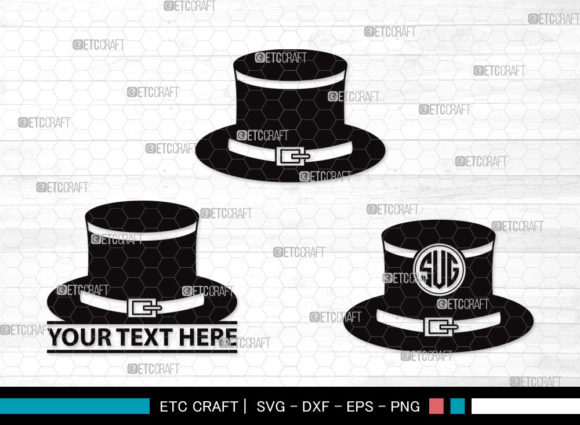
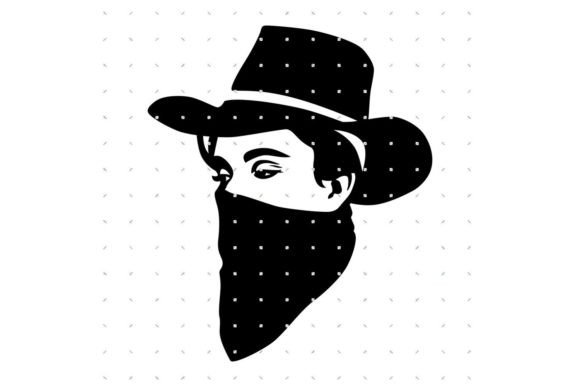
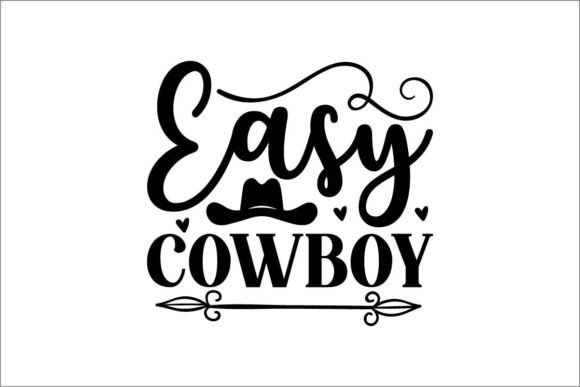
The moment you load the Easy Cowboy assets—which come in a convenient zipped folder containing SVG, DXF, PNG, EPS, and JPG formats—the first thing that strikes me is its clean, accessible aesthetic. It avoids the cluttered complexity that often plagues western-themed designs. Instead, it offers a bold, recognizable silhouette that feels modern yet nostalgic. The mood is playful but grounded. It doesn’t scream for attention with excessive detail; rather, it relies on strong shapes and clear lines.
From a design perspective, this simplicity is a feature, not a bug. In the world of machine embroidery design, less is often more. A design that is too intricate can become muddy after stitching, losing its definition. Easy Cowboy maintains its integrity because it respects the limitations of thread. Whether you are viewing it isolated on a white background or contrasting against black, the core shape remains distinct. This visual clarity suggests that the final finished product will look professional and intentional, which is exactly what buyers expect when they pay a premium for handmade goods.
Real-World Application: Where Does It Fit?
I decided to test the practicality of this design by imagining it in several common craft business scenarios. Let’s start with custom apparel. There is something inherently charming about a cowboy motif on a child’s sweatshirt or a toddler’s onesie. The design has a softness to it that works beautifully for baby embroidery. It avoids being overly rugged or aggressive, making it suitable for nursery decor, bibs, or small gift sets. When paired with neutral thread colors like cream, sage, or dusty rose, it creates a boutique-quality look that appeals to parents looking for unique, personalized gifts.
Beyond baby items, this design shines in the realm of custom apparel for adults. Imagine sweatshirt embroidery featuring this motif centered on the chest or placed slightly off-center on the back. It works equally well on denim jackets, canvas tote bags, or even kitchen aprons. The versatility of the source files means you can easily adapt the size and orientation. For an Etsy seller or small shop product creator, this flexibility is crucial. You can create a cohesive collection—perhaps matching mother and child tees or coordinating home decor items like pillow covers and tea towels—using the same core graphic.
Furthermore, the inclusion of multiple formats makes this a valuable asset for digital creators. If you are selling printable mockups or design assets to other crafters, having both vector (SVG/EPS) and raster (PNG/JPG) options ensures compatibility across different software platforms. This ease of use reduces friction for your customers, potentially boosting sales and positive reviews.
Technical Considerations for Stitching
While the visual appeal is strong, any experienced embroiderer knows that the magic happens in the stitching. Here is where we need to be realistic about performance. The Easy Cowboy design likely utilizes a combination of satin stitch for outlines and fill stitch for larger areas. This is a standard and effective approach for this type of graphic.
However, success depends heavily on your setup. First, always check the stitch density. If the fill areas are too dense, the fabric may pucker, especially on lightweight materials. Conversely, if they are too sparse, the underlying fabric might show through, ruining the clean look. I recommend testing the design on scrap fabric first to gauge how the threads lay. Pay close attention to the thread colors you choose. High contrast between the thread and the fabric will enhance the details, while low contrast might make the design blend in too much.
Another critical factor is the hoop size. Ensure your design fits comfortably within your machine’s hoop without requiring complex re-hooping, which can lead to registration errors. If you are working on curved surfaces like caps or hats, be cautious. While the design is relatively flat, tension issues on curved seams can cause puckering. Using a proper stabilizer is non-negotiable here. A cut-away stabilizer provides the necessary support for woven fabrics, while a tear-away might suffice for stable knits, depending on the weight of the garment.
Where to Use Caution
Not every project is a good fit for this design. Be careful when attempting to stitch this on very small hoop sizes. Fine details may get lost or merge together if the scale is reduced too much. Similarly, textured fabrics like heavy bouclé wool or thick fleece can obscure the design’s crisp lines. Thin or stretchy fabrics also pose a risk; without adequate stabilization, the running stitch elements might distort the material. Additionally, if you plan to wash the finished item frequently, such as a work apron or children’s clothing, ensure the stitches are secure enough to withstand abrasion. Decorative accents that are too delicate might snag during laundering.
Impact on Product Value and Branding
Using a well-executed design like Easy Cowboy directly influences perceived value. Customers associate clean, precise stitching with quality craftsmanship. When a buyer sees a clearly defined cowboy motif on a tote bag or pillow, they perceive higher effort and professionalism. This boosts customer trust and encourages repeat purchases. For commercial embroidery projects, consistency is key. This design’s straightforward nature makes it easy to replicate across multiple items, ensuring brand consistency whether you are producing a batch of holiday gifts or wedding favors.
The giftability of products featuring this design is high. It taps into popular themes like western style, country living, and rustic charm, which have broad appeal. Whether it is a holiday embroidery project for a themed party or a personalized gift for a rancher, the design resonates emotionally. This emotional connection drives engagement and sales, making it a smart choice for creative entrepreneurs looking to expand their inventory.
Final Verdict
In conclusion, Easy Cowboy is a solid addition to any designer’s library. Its clean aesthetic, versatile formatting, and broad appeal make it suitable for a wide range of embroidery projects. From handmade products for hobbyists to commercial merchandise for seasoned sellers, this design delivers on both style and functionality. Just remember to respect the technical aspects of embroidery—test your fabrics, choose the right stabilizer, and verify licensing terms before selling. When done correctly, the result is a beautiful, marketable piece that stands out in a crowded marketplace.
- Test on scrap fabric to check stitch density and tension.
- Verify thread color contrast against your chosen fabric.
- Ensure the design fits your available hoop size.
- Check licensing agreements for commercial use rights.
- Use appropriate stabilizers to prevent puckering.