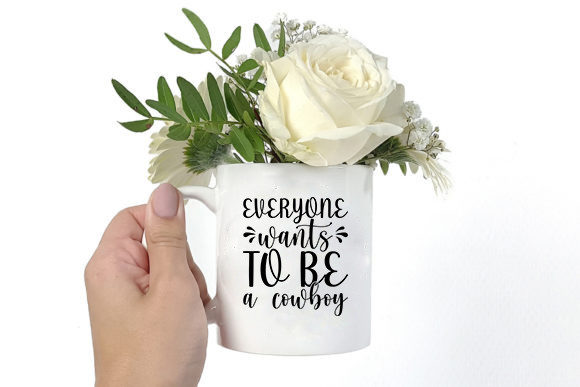
Everyone Wants to Be a Cowboy SVG Design Review
As an embroidery designer who spends half my day digitizing and the other half testing stitches on everything from denim to delicate muslin, I don’t just look at a design file; I look at its potential. When Everyone Wants to Be a Cowboy SVG Design landed in my inbox, I didn’t immediately think about a quick craft fair project. I thought about branding, commercial viability, and whether this piece would hold up under the scrutiny of a paying customer. The Western theme is saturated in the handmade market, so for a design to stand out, it needs more than just a silhouette—it needs character, clarity, and structural integrity.
This review isn’t about the technical specs you can find in a download folder. It’s about how Everyone Wants to Be a Cowboy SVG Design behaves when it transitions from a vector screen into a tangible handmade product. Whether you are an Etsy seller looking to expand your catalog or a boutique owner curating a seasonal collection, here is my practical assessment of using this design for real-world applications.
The First Impression: Mood and Visual Personality
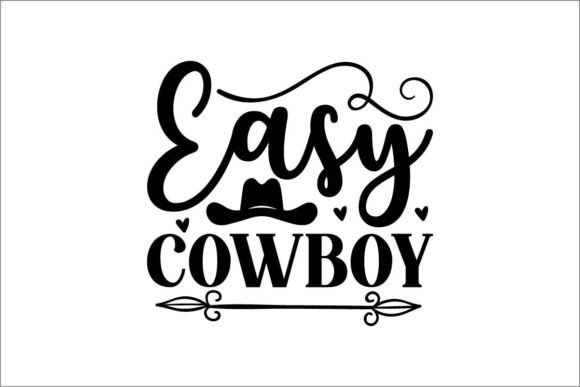
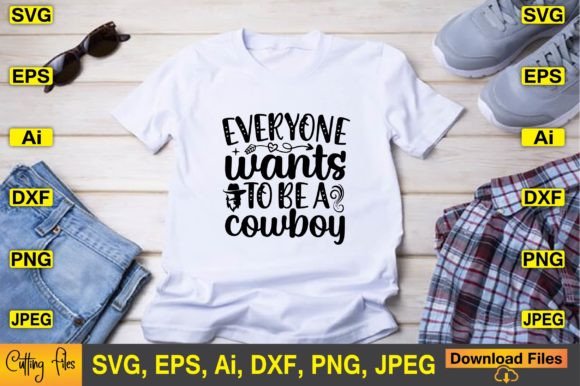
The title itself sets a tone that is both nostalgic and playful. In the world of custom apparel, mood is everything. A cowboy motif can easily slip into caricature if not handled with care, but Everyone Wants to Be a Cowboy SVG Design strikes a balance between rugged authenticity and approachable charm. The layout suggests a strong central focal point, which is crucial for embroidery because dense stitch areas need room to breathe.
Visually, the design feels rooted in classic Americana. It evokes images of dusty trails, saloon doors, and wide-open spaces. For a designer, this means the piece has high recognition value. Customers don’t need to be told what they are looking at; the iconography does the heavy lifting. This makes it an excellent candidate for commercial embroidery where instant visual communication is key. However, the "SVG" nature of the source file means we must translate those crisp vector lines into thread. My initial concern was whether the details would get lost in the stitching process, especially if the final product involves smaller elements like lettering or intricate hat brims.
Real-World Application: From Screen to Stitch
I recently simulated a project using this design: a custom embroidered tote bag for a birthday girl’s party favor. Tote bags are a staple for craft business owners, but they present unique challenges. The fabric is often woven tightly, and the surface area is large, meaning any distortion in the digitization becomes obvious. When I mapped Everyone Wants to Be a Cowboy SVG Design onto a canvas mockup, the proportions held up well. The design scales effectively, allowing for a bold statement without overwhelming the bag’s structure.
Beyond tote bags, this design shines in sweatshirt embroidery. The Western theme pairs naturally with heavyweight cotton blends, creating a cozy yet stylish aesthetic perfect for fall and winter seasons. Imagine a cream-colored crewneck with the design centered on the chest, utilizing a mix of fill stitch for the main body and satin stitch for outlining. The contrast between the soft fabric and the structured embroidery adds a layer of professionalism that elevates the perceived value of the item. It transforms a basic garment into a personalized gift that feels curated rather than mass-produced.
Another strong use case is apron decoration. For kitchen enthusiasts or home bakers, a cowboy-themed apron offers a fun, thematic twist. The durability required for kitchen use means the design must withstand frequent washing. Here, the simplicity of the core shapes in Everyone Wants to Be a Cowboy SVG Design works in our favor. Fewer tiny, fragile threads mean less risk of snagging or fraying over time. It’s a practical choice for small shop products that need to maintain their appearance after months of use.
Versatility Across Demographics
One of the strongest assets of this design is its broad appeal. It isn’t gendered or age-restricted. While the title mentions "Birthday girls," the imagery resonates with men, women, kids, and babies alike. This versatility is gold for digital product sellers who want one asset to serve multiple niches. You can market it as a baby onesie for a western-themed nursery, a cap for a toddler’s rodeo event, or a chic accessory for an adult’s ranch-style outfit. This flexibility allows for targeted marketing campaigns across different platforms, from Instagram reels showcasing baby items to Pinterest boards focused on adult fashion.
Where Caution Is Required
Despite its strengths, no design is flawless, and Everyone Wants to Be a Cowboy SVG Design requires strategic placement to succeed. There are specific scenarios where this design might struggle, and knowing these pitfalls is what separates a professional from a hobbyist.
- Small Hoop Sizes: If you attempt to digitize this for a 4x4 hoop or smaller, you may lose critical detail. The text and fine lines could merge into indistinguishable blobs. Always check the hoop size requirements before committing to a small product like a baby bib or a small patch.
- Textured Fabrics: Embroidering on chunky knits, fleece, or heavily textured linens can obscure the design. The needle penetration might cause puckering, and the thread might not lay flat. Stick to smooth, stable fabrics like cotton twill, denim, or polyester blends for the best results.
- Curved Surfaces: Applying this to caps or hats requires careful hooping techniques. If the design has sharp corners or straight lines, they may distort on a curved crown. Test on a scrap piece of hat material first to ensure the geometry holds.
- Dense Stitch Areas: If the design includes large blocks of fill stitch, ensure your stabilizer is robust enough to support the weight of the thread. Without proper backing, the fabric will pucker, ruining the finished product.
Practical Designer Notes for Implementation
Before you upload Everyone Wants to Be a Cowboy SVG Design to your machine, there are several steps I recommend taking to ensure success. First, always test the design on scrap fabric that matches the weight and weave of your final material. This reveals issues with tension, density, or registration that you won’t see on paper.
Next, consider your thread colors. The Western palette often relies on earth tones—browns, tans, creams, and deep reds. Ensure you have high-quality threads that offer good coverage. A single pass of thread might look thin on dark fabric, so plan for double-passes or appropriate stitch density to achieve opacity. Also, inspect the design in black and white mode in your digitizing software. This helps you evaluate the contrast and shape separation independent of color, ensuring the design remains legible even if the client chooses a monochromatic thread scheme.
Finally, verify the licensing terms. Since this is an SVG digital download, clarify whether you are allowed to sell finished physical items made from it. Most standard licenses permit this, but some restrict the number of units or require attribution. Protect your craft business by reading the fine print. Additionally, create printable mockups for your online store. Showing the design on various products—tote bags, pillows, and apparel—helps customers visualize the final result, increasing conversion rates for your small shop product listings.
Final Verdict
Everyone Wants to Be a Cowboy SVG Design is a versatile, emotionally resonant asset that fits seamlessly into the current landscape of handmade goods. It offers a blend of nostalgia and modern appeal that appeals to a wide audience. For designers willing to pay attention to fabric choice, stabilizer selection, and stitch quality, this design can become a cornerstone of a successful embroidery project line. It’s not just a file; it’s a foundation for creating memorable, high-quality personalized gifts that customers will cherish. If you’re looking to add a touch of western flair to your Graphics and Crafts inventory, this design earns a strong recommendation for its adaptability and enduring charm.