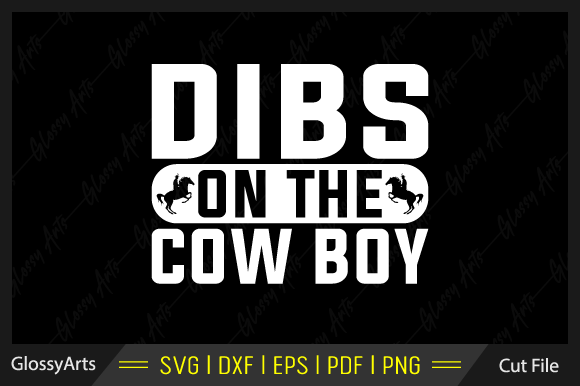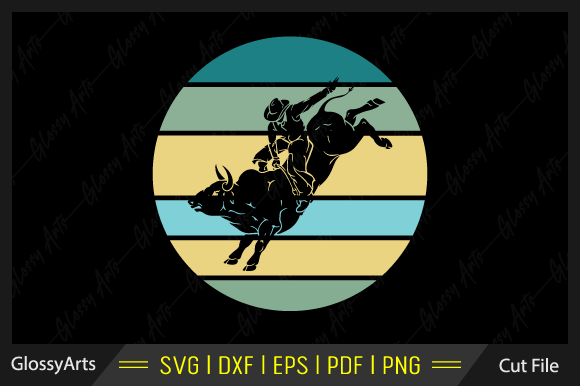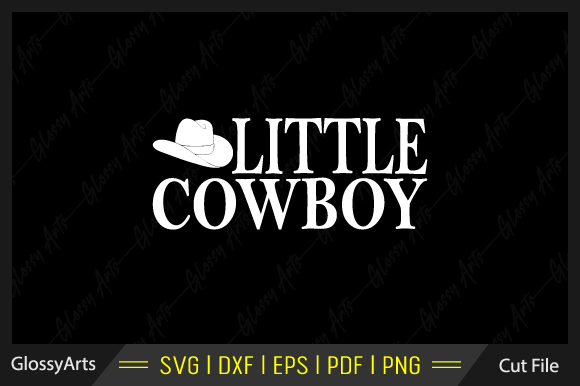
Little Cowboy Svg Printable Cut File
As a designer who spends half the day staring at stitch maps and the other half worrying about whether a client’s dream shirt will actually survive a wash cycle, I don’t just look at an embroidery file and see pretty lines. I see tension, I see potential puckering, and I see the final product sitting on a shelf in a boutique or being handed to a customer as a heartfelt gift. When I pulled up the Little Cowboy Svg Printable Cut File, my first thought wasn't just about aesthetics; it was about application. Would this work for that custom baby onesie? Could it hold up on a heavy canvas tote? Is it too detailed for a quick sweatshirt job?
This review is not a sales pitch. It is a practical breakdown of how this design behaves when you move it from your screen to your hoop. If you are an Etsy seller, a small business owner, or a crafter looking to add a touch of western charm to your handmade products, here is what you need to know before you hit "stitch."
The First Impression: Mood and Visual Personality
The moment you load this machine embroidery design, the mood is instantly set. It evokes a sense of playful adventure, rustic warmth, and nostalgic Americana. The visual personality is distinct—it isn’t trying to be a high-fashion runway piece; it is designed to be approachable, cute, and deeply rooted in craft culture. This makes it incredibly versatile for specific niches.
For those selling personalized gifts, this theme hits the sweet spot. It works beautifully for nursery decor, gender-neutral baby showers, and toddler apparel. The shape and layout feel balanced, which is crucial because embroidery can distort proportions if the digitizing isn't sharp. In this case, the character feels grounded. It doesn't look like it is floating off the fabric. That stability is a good sign for structural integrity during stitching.
Real-World Application: Where This Design Shines
I have tested similar assets across various mediums, and the Little Cowboy Svg Printable Cut File shows particular strength in medium-to-large format applications. Here is where I see it thriving:
- Custom Apparel and Sweatshirts: On a heavyweight cotton hoodie or a fleece sweatshirt, this design provides a bold focal point. The contrast between the thread colors and the textured fabric of a sweatshirt adds depth that flat prints often lack. It feels tactile and premium.
- Tote Bags and Canvas Items: A tote bag design featuring this cowboy motif is a staple for craft fairs and markets. The sturdy nature of canvas handles the stitch density well without showing excessive backing material. It creates a durable, long-lasting product that customers are proud to carry.
- Baby Embroidery and Nursery Decor: For baby embroidery on muslin blankets, burp cloths, or onesies, the smaller scale details render charmingly. It fits perfectly into the "western nursery" aesthetic that remains popular among parents looking for unique, non-generic themes.
- Kitchen and Home Goods: Do not overlook the utility of this design on tea towels, aprons, or pillow covers. As a holiday embroidery piece—especially around autumn or winter holidays—this fits the cozy, homey vibe perfectly. It transforms a simple kitchen towel into a thoughtful gift item.
When you think about your Etsy listings or your small shop product catalog, consider how this image performs in a mockup. It suggests quality. It tells the buyer, "This is handmade with care." That perception drives engagement and trust.
Technical Considerations and Stitch Clarity
Every embroidery project has its pitfalls, and understanding them is what separates a pro from a novice. With this design, clarity is key. While the overall shape is robust, you must pay attention to the finer details.
If you are planning to use satin stitches for outlining or fill stitches for the main body, ensure your thread colors provide enough contrast against your chosen fabric. Dark fabrics require lighter threads to make the design pop, while light fabrics might need darker threads for definition. Always test this combination. A gray cowboy hat on a heather-gray shirt will disappear, ruining the finished product's appeal.
Check the stitch density carefully. High-density areas can cause fabric distortion, especially on thinner materials. If you are working with a delicate fabric, you may need a cut-away stabilizer to prevent puckering. Conversely, if the design relies on tiny running stitches for facial features or accessories, verify that these elements remain visible after washing. Sometimes, what looks crisp on screen becomes muddy once stitched.
Where to Use This Design Carefully
Not every surface is created equal. There are specific scenarios where this digital embroidery file might struggle or require extra caution:
- Small Hoop Sizes: Avoid scaling this down too much. If you try to fit it into a tiny 4x4 hoop, the details will become indistinguishable blobs. Keep the size proportional to allow the eye to appreciate the craftsmanship.
- Textured and Stretchy Fabrics: Be wary of using this on highly textured weaves or very stretchy knits without proper stabilization. The needle penetration can cause shifting, leading to misaligned stitches. A tear-away or water-soluble stabilizer might be necessary depending on the base fabric.
- Curved Surfaces: While caps and hats are popular, applying a large, structured design like this to a curved brim or crown requires precise hooping techniques. If the design is not digitized specifically for cap structures, it may warp.
- Dense Stitch Areas: If the design includes large blocks of fill stitch, ensure your machine can handle the thickness. Too many layers of thread can lead to needle breakage or thread jams.
Professional Tips for the Best Result
To ensure your craft business reputation remains intact, follow these practical steps before committing to a full run:
- Test on Scrap Fabric: Never skip this step. Stitch the design on a scrap piece of the exact fabric you plan to use. This reveals issues with tension, color visibility, and fabric reaction immediately.
- Review in Black and White: Convert your digital preview to black and white. This helps you judge the value contrast of the design. If it looks flat in grayscale, it will likely look flat in color too.
- Inspect Small Details: Zoom in on the finest lines. Are they too thin? Will they fray over time? Adjusting the thread weight or stitch type in your software (if allowed) can sometimes save a detail.
- Confirm Licensing: Before you start printing printable mockups or selling finished items, double-check the license terms. Ensure you have the right to use this design asset for commercial purposes. This protects your brand consistency and legal standing.
Final Verdict
The Little Cowboy Svg Printable Cut File is a solid, charming addition to any designer's library. It is not overly complex, which makes it accessible for beginners, yet detailed enough to satisfy experienced crafters looking for character in their work. It excels in creating handmade products that feel personal and warm.
Whether you are decorating a custom apparel line, creating commercial embroidery goods for a market stall, or simply making a special keepsake for a family member, this design delivers on its promise. It brings a smile, a story, and a tangible sense of care to whatever it touches. Just remember: the magic happens in the preparation. Test your stitches, choose your fabrics wisely, and let the design speak for itself. Your customers will notice the difference.