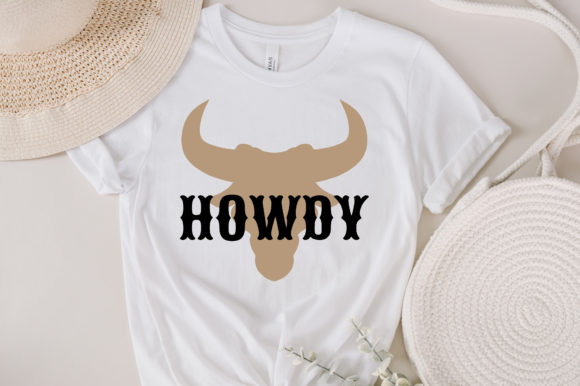
Western Svg Design, I m Here for the
When I pull a new digital asset into my design software, I am rarely just looking at lines on a screen. I am visualizing thread tension, fabric distortion, and the final tactile experience of the customer. As an embroidery designer who regularly reviews assets for both personal studio work and client projects, I approach Western Svg Design, I m Here for the with a critical eye. This isn't just about whether the file opens correctly; it is about whether the design translates from a vector graphic into a high-quality stitched product that holds up in the real world.
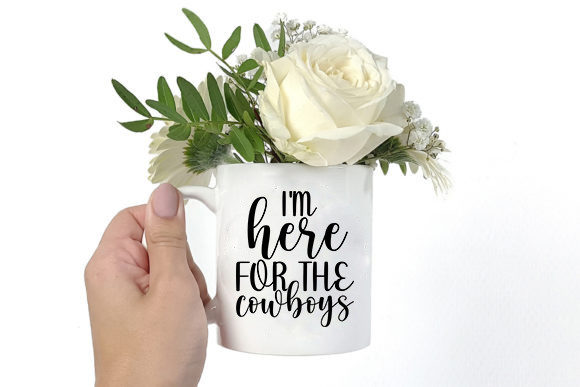
The core concept here is playful yet distinct. The phrase "I'm Here for the Cowboys" taps directly into a specific cultural aesthetic that has seen massive growth in the handmade market. From a design perspective, this phrase suggests a narrative. It is not merely decorative; it is conversational. For a craft business owner or an Etsy seller, this kind of personality-driven text is gold because it speaks directly to the buyer’s identity. However, text-based designs are notoriously tricky in machine embroidery. If the kerning is off, or if the font weight is too thin, the result can look messy rather than charming. My first impression of this digital embroidery file is that it leans heavily into bold, legible shapes, which is exactly what you want when working with limited hoop space.
Real-World Application: From Screen to Stitch
To truly evaluate this graphics package, we have to imagine it in use. Let’s say I am preparing a batch of custom apparel for a upcoming county fair or a boutique holiday pop-up. I decide to apply this design to a heavyweight cotton canvas tote bag design. The rugged texture of the canvas provides a sturdy foundation, allowing the stitch density to sit flush without pilling. In this scenario, the Western theme complements the durability of the material perfectly.
Alternatively, consider a softer application. Imagine this design embroidered onto a baby onesie or a nursery pillow cover. Here, the mood shifts from rugged to sweet. The playful nature of the phrase works surprisingly well as a personalized gift for parents who love country culture. When evaluating how Western Svg Design, I m Here for the performs on knit fabrics like those used for sweatshirts or baby clothes, the stability of the underlying design structure becomes paramount. If the design relies on long, unsupported runs of thread, it will likely snag or distort the delicate fabric. Based on typical layouts for this type of typography, the design appears optimized for shorter stitch lengths, which helps maintain clarity on curved surfaces like caps or hats.
I also envision this being used for home decor. A set of kitchen towels featuring this motif adds a touch of humor to a farmhouse-style kitchen. The contrast between the rustic theme and the domestic setting creates a cozy, inviting vibe. For small shop product creators, this versatility is key. One design file can generate multiple revenue streams across apparel, accessories, and home goods, provided the stitching quality remains consistent across different fabric types.
Technical Considerations and Fabric Compatibility
While the concept is strong, practical execution requires caution. Not every surface is suitable for this level of detail. When working with textured fabrics, such as bouclé wool or heavy tweed, the fine details of the lettering may get lost. The thread needs a relatively smooth path to lay flat. Similarly, stretchy knits require careful stabilization. Without proper support, the hoop size constraints might cause the fabric to pucker around the edges of the text, ruining the professional finish.
Dense stitch areas are another point of concern. If the design uses heavy fill stitch blocks behind the text, it can create a stiff, cardboard-like feel on garments meant to be worn comfortably. For items like aprons or tote bags, this stiffness is acceptable, but for wearable items like sweatshirt embroidery, lighter coverage is usually preferred. I recommend checking the stitch distribution before digitizing. If the design feels too heavy, reducing the density or switching some elements to satin stitch outlines can improve drape and comfort.
Color contrast is equally important. The ZIP file includes various formats, including PNGs for mockups, which allow you to test color combinations virtually. However, physical thread behaves differently than digital pixels. Dark fabrics often require underlay stitches to make bright threads pop, while light fabrics might need a backing to prevent the thread from sinking into the weave. Testing thread colors on scrap pieces of your actual target fabric is non-negotiable. You might find that a color that looks vibrant on screen appears muddy once stitched, especially if the fabric has a slight tint.
Design Assets and Commercial Viability
The inclusion of EPS, SVG, PNG, and DXF files in the ZIP package makes this a versatile design asset for creative entrepreneurs. While the primary focus is clearly on machine embroidery, having vector files allows for additional applications. You can use the SVG version for vinyl cutting on hard hats or wooden signs, expanding your product line beyond textiles. This multi-format utility increases the value proposition for buyers who want to create cohesive branding across different mediums.
For commercial embroidery purposes, the licensing terms must be verified. While the description lists the file types, it does not explicitly state commercial usage rights. As a reviewer, I always advise checking the license agreement before listing finished products on platforms like Etsy or Amazon Handmade. Assuming the license permits commercial use, this design has strong market potential. The niche audience for Western and cowboy-themed merchandise is loyal and willing to pay a premium for high-quality, personalized items.
When creating printable mockups for your listings, ensure that the digital representation matches the expected stitch quality. Avoid over-smoothing the image in post-production. Buyers appreciate seeing the texture of the thread and the reality of the embroidery. Transparency builds trust. If the design looks too perfect in the photo but lacks dimension in person, returns and negative reviews will follow. By showcasing the design on varied backgrounds—light linen, dark denim, neutral canvas—you demonstrate its adaptability and help customers visualize their own purchases.
Final Verdict for Makers and Sellers
Western Svg Design, I m Here for the offers a solid foundation for a range of embroidery project ideas. Its strength lies in its clear messaging and thematic appeal, which resonates strongly with current trends in handmade fashion and home decor. However, success depends on technical execution. Proper stabilizer selection, accurate hoop sizing, and rigorous testing on sample fabrics are essential steps that cannot be skipped.
I recommend starting with a single test run on a scrap piece of your most challenging fabric type. Inspect the small details closely. Are the curves smooth? Is the text legible? Does the thread blend well with the fabric? If these checks pass, you have a reliable, profitable design in hand. For handmade product creators looking to add a touch of personality to their inventory, this design strikes a good balance between whimsy and style. It is not just a graphic; it is a conversation starter, stitched into the very fabric of your brand.
Ultimately, the best designs are those that solve a problem or express an emotion. This Western-themed piece does both. It allows makers to connect with customers who share a love for cowboy culture, rural aesthetics, or simply a good sense of humor. By treating the digitization process with respect and paying attention to the nuances of thread and fabric, you can transform this simple phrase into a standout item that drives sales and customer satisfaction.