Let s Get Western Svg Cut File Review
When I sit down to evaluate a new digital asset for my embroidery studio, I am rarely looking for just another pretty picture. I am looking for viability. Does this design translate well from a vector screen into thread? Will it hold up on a busy weekend at the craft fair? Will a customer feel like they received something premium when they unwrap their personalized gift? Recently, I pulled Let s Get Western Svg Cut File into my workflow to see how it fares as a practical tool for both hobbyists and commercial designers.
This is not just a decorative graphic; it is a foundational element for a specific aesthetic. The "Western" theme has seen a massive resurgence in the handmade market, driven by boho bridal trends, nursery decor, and boutique children’s apparel. My goal here is to strip away the marketing fluff and look at the structural integrity of the design, its application potential, and where it truly shines—or where it might cause headaches during production.
First Impressions: Mood and Visual Personality
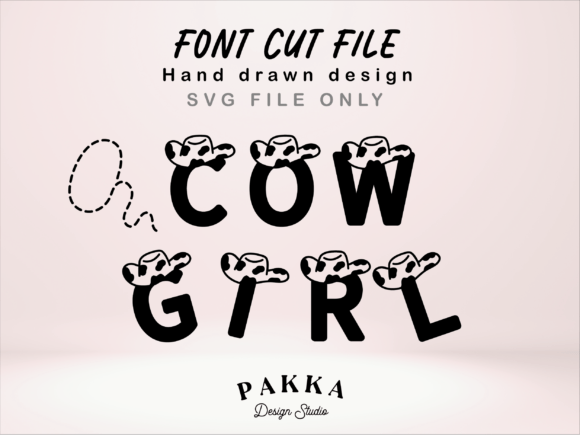
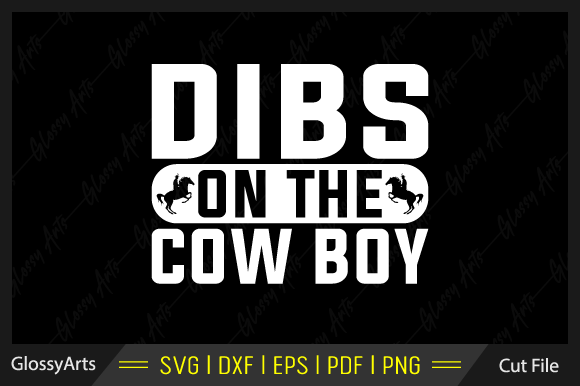
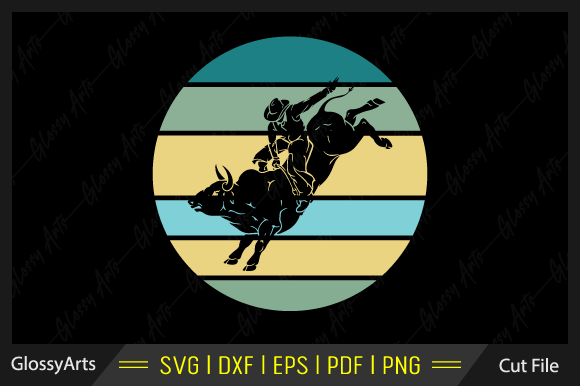
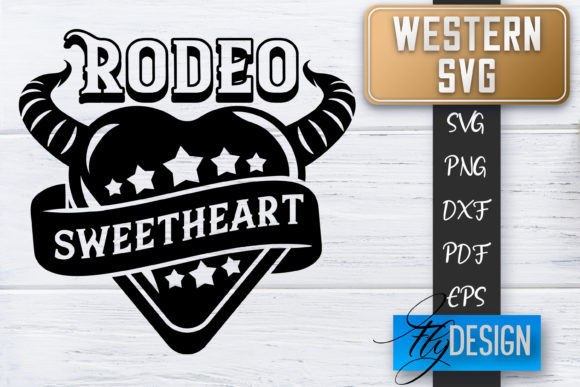
The moment you open the file, the visual personality is clear. It carries that distinct blend of rustic charm and modern minimalism that defines contemporary western style. Unlike older, cluttered cowboy motifs that rely heavily on heavy shading and complex borders, this design feels airy and intentional. It suggests a mood that is welcoming yet stylish—perfect for a brand that wants to appear approachable but curated.
For an embroidery designer, the layout is the first thing that catches the eye. The spacing between elements feels balanced, which is critical when converting SVGs into stitch files. There is no sense of overcrowding. This balance translates directly into the finished product. When stitched, the design will likely read clearly even from a distance, which is essential for items like tote bags or sweatshirts where the viewer might be interacting with the wearer in a crowded room. The shape and detail level suggest a design that relies more on strong silhouettes than intricate micro-details, making it a safer bet for consistent machine stitching.
Real-World Application: From Screen to Stitch
To truly understand the value of this machine embroidery design, we have to imagine it on fabric. Let’s talk about custom apparel. I immediately pictured this on a high-quality cotton sweatshirt for a fall collection. The western theme pairs naturally with earth tones, denim, and cream fabrics. If I were designing a line for an Etsy seller, this would be a cornerstone piece for holiday gifts or baby showers.
Consider a personalized gift scenario: a set of embroidered kitchen towels or a tea towel for a housewarming present. The clean lines of the Let s Get Western Svg Cut File work beautifully on woven cotton because they don’t get lost in the texture. However, the dynamic shifts when you move to a tote bag design. On canvas, the design becomes bolder. It acts less like a delicate accent and more like a statement piece. This versatility is rare. Many designs are too fine for canvas or too bulky for lightweight tees. This one seems to occupy a middle ground that respects the medium.
I also see strong potential in the nursery and baby sector. A soft onesie or a muslin blanket featuring this motif can elevate a basic item into a boutique product. The key here is thread colors. Because the design itself is likely simple, the color palette does the heavy lifting. Using muted pastels or sage greens would enhance the western vibe without overwhelming the recipient. For an Etsy seller, this means fewer SKU complications—you can change the thread color to match different themes while keeping the same base design asset.
Where Caution Is Required
No design is perfect for every surface. As a reviewer, I must point out where this embroidery file might struggle. If you are planning to use this on a curved surface, such as a structured baseball cap, you need to be very careful with the hoop placement. The western theme often implies a central focal point. If the curve distorts the geometry, the "vibe" can shift from charming to crooked. Test the digitization on a stabilizer-backed cap blank before committing to a run of ten.
Furthermore, avoid using this on highly textured fabrics like bouclé wool or thick terry cloth unless you are experienced with stabilizers. The details may disappear into the nap of the fabric. Similarly, if you are working with thin, stretchy knits, the stitch density could cause puckering if not stabilized correctly. While the design looks clean on paper, the physical act of pushing needle and thread through fabric introduces variables that digital previews cannot show. Always test on scrap fabric first.
Technical Considerations for the Designer
When evaluating any digital embroidery file, the technical specs matter as much as the art. The download includes an AI source file and an SVG, which gives you flexibility. You can adjust the scale in Illustrator before importing your embroidery software, allowing you to tweak the hoop size requirements to fit your specific machine limitations. This is a huge advantage over pre-digitized PES files that lock you into a single dimension.
However, having the source file also places the burden of quality control on you. You need to review the stitch density yourself. Does the fill stitch area feel too dense for the fabric weight you plan to use? Are there tiny corners that might tear through light fabric? Inspect small details closely. If the design relies on a delicate outline, ensure your machine can handle the precision. I also recommend testing the design in black and white mockups within your software. This helps you see the true contrast and negative space without the distraction of color choices.
Another critical note is the choice of stabilizer. For a western-themed design, which often sits on durable goods like aprons or denim, a cut-away stabilizer is usually the safest choice to prevent distortion over time. If you are making a handmade product meant to last, skipping the proper stabilizer will result in a lower-quality finish that customers will notice immediately.
Commercial Viability and Brand Consistency
For the craft business owner, the question is always: will this sell? The answer lies in the professionalism of the presentation. A clean, well-executed western design signals reliability. When a buyer sees a perfectly stitched logo or motif on a custom apparel item, their trust in the brand increases. This design supports that trust because it avoids overly trendy gimmicks that might fade in six months. Instead, it taps into a timeless aesthetic.
It also works exceptionally well for commercial embroidery projects where branding is key. Imagine a boutique coffee shop wanting embroidered patches for their staff aprons. The western theme fits the "farm-to-table" or rustic cafe vibe perfectly. The design is distinctive enough to be memorable but neutral enough to remain professional. For design assets sellers, offering this as part of a bundle with complementary western elements (like cacti or mountains) could increase perceived value.
Final Verdict on Usability
In conclusion, Let s Get Western Svg Cut File is a solid addition to the toolkit of any designer focused on the rustic, boho, or western niche. It offers the flexibility needed for small batch production and the clarity required for high-end finishes. It performs best on stable fabrics like cotton, denim, and canvas, and requires careful attention to stabilization on stretchier materials.
Before you start producing hundreds of units, remember to confirm licensing terms if you intend to sell the finished items. Ensure that the finished product aligns with your brand’s promise of quality. By testing thoroughly and choosing the right thread colors, you can turn this digital file into a tangible asset that drives engagement and sales. It is not just a clipart image; it is a strategic design choice for anyone serious about the handmade market.